
Introduction
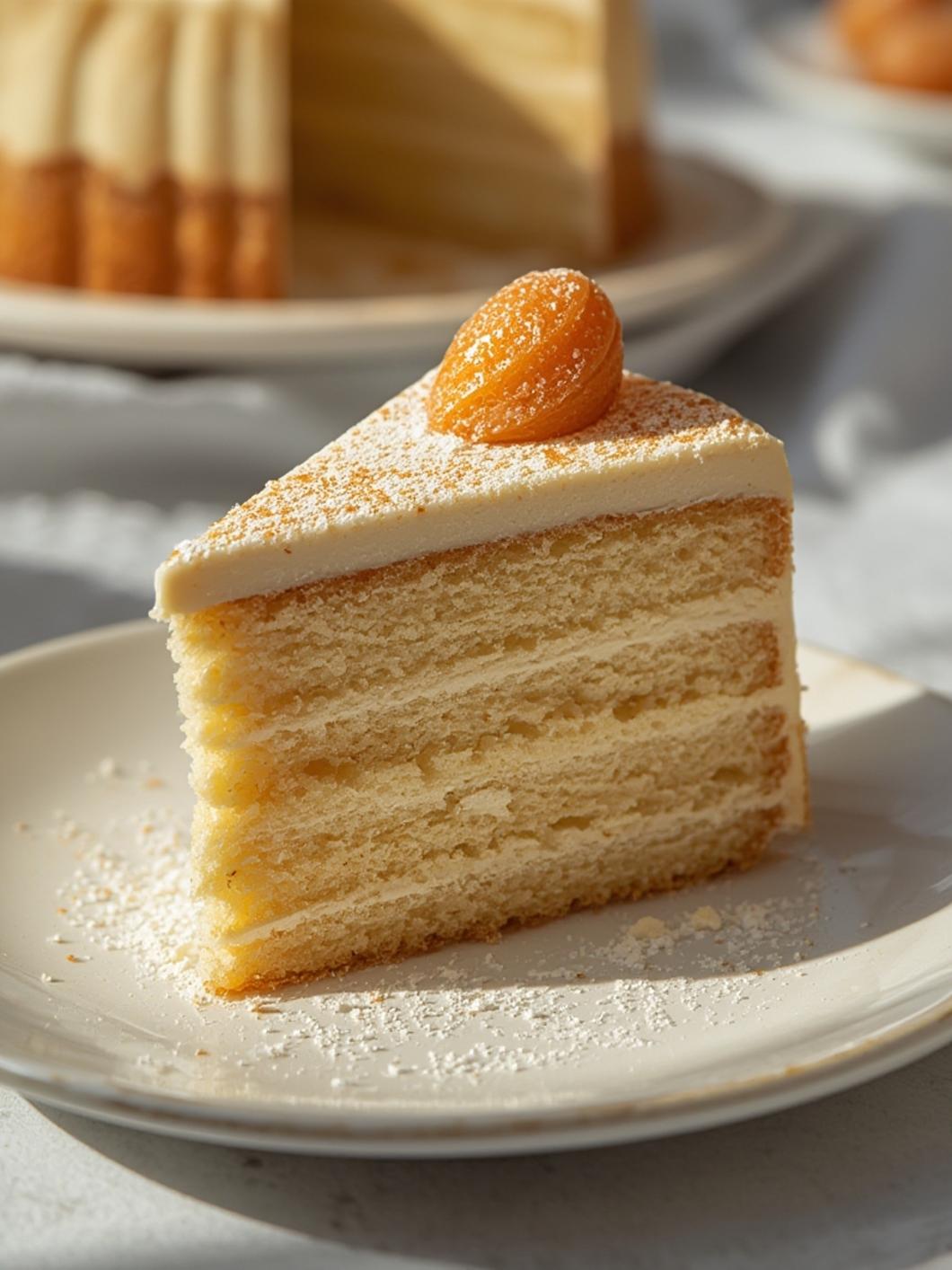
There’s something truly magical about baking a light, fluffy cake from scratch that fills your home with the sweet aroma of vanilla and brings smiles to everyone’s faces. This classic vanilla sponge cake recipe delivers exactly that experience, creating a delicate, golden sponge that’s perfect for afternoon tea, birthdays, or any celebration. Similar to the beloved victoria sponge, this simple cake showcases how basic pantry ingredients can transform into an elegant dessert. The beauty of this recipe lies in its versatility—serve it plain with a dusting of powdered sugar, layer it with fresh cream and berries, or use it as the foundation for more elaborate cakes. With just six ingredients and straightforward techniques, even beginner bakers can achieve professional-quality results. The key to success is proper mixing and gentle folding to maintain those precious air bubbles that give the sponge its characteristic light texture.
Step-by-Step Instructions
Ingredients:
– 4 large eggs, at room temperature
– 2/3 cup granulated sugar
– 1 cup all-purpose flour
– 1/4 cup melted butter, cooled
– 2 teaspoons pure vanilla extract
– 1/4 teaspoon salt
Instructions:
Preheat your oven to 350°F (175°C) and grease two 8-inch round cake pans, then line the bottoms with parchment paper for easy release.
Crack the eggs into a large mixing bowl and add the granulated sugar. Using an electric mixer on high speed, beat the eggs and sugar together for 8-10 minutes until the mixture becomes thick, pale yellow, and tripled in volume. When you lift the beaters, the mixture should fall in ribbons that hold their shape on the surface.
Add the vanilla extract to the egg mixture and beat for another 30 seconds to incorporate fully. This step infuses the entire batter with that wonderful vanilla flavor that makes this vanilla sponge cake so irresistible, much like the classic victoria sponge that inspired many home bakers.
Sift the flour and salt together three times to ensure maximum airiness. Gently fold half of the flour mixture into the egg mixture using a rubber spatula, making broad, sweeping motions from the bottom of the bowl upward. Add the remaining flour and continue folding until just barely combined—you should still see a few flour streaks.
Take a small amount of the batter (about 1/2 cup) and mix it with the melted butter in a separate bowl. This helps lighten the butter before adding it to the delicate batter. Gently fold this butter mixture back into the main batter, working quickly but carefully to maintain the air you’ve worked so hard to incorporate.
Divide the batter evenly between the prepared pans and gently smooth the tops. Bake for 20-25 minutes, or until the cakes are golden and spring back when lightly pressed. A toothpick inserted into the center should come out clean.
Cool in the pans for 5 minutes, then turn out onto a wire rack to cool completely before frosting or serving.
Tips
Always use room-temperature eggs as they whip up to greater volume than cold eggs, creating that essential light texture. The lengthy beating time isn’t optional—those 8-10 minutes develop the structure that replaces traditional leavening agents.
Sift your flour multiple times to eliminate lumps and add air, which contributes to the sponge’s delicate crumb. When folding ingredients, use confident yet gentle motions, cutting through the center and sweeping along the sides to preserve air bubbles.
Avoid opening the oven door during the first 15 minutes of baking, as temperature fluctuations can cause the cake to collapse. The cake is done when it pulls slightly away from the pan edges and feels firm to gentle touch.
For maximum flavor, use high-quality pure vanilla extract rather than imitation vanilla. If you’re making this cake for layering, consider brushing the cooled layers with simple syrup to keep them moist.
Alternative Methods
For a chocolate variation, replace 3 tablespoons of flour with unsweetened cocoa powder and sift them together. This creates a tender chocolate sponge perfect for layering with whipped cream.
You can bake this batter in a 9×13-inch pan for a sheet cake that’s ideal for feeding crowds. Adjust the baking time to 25-30 minutes and check for doneness with the toothpick test.
For individual servings, divide the batter among lined cupcake tins and bake for 12-15 minutes. These miniature sponges are perfect for afternoon tea parties or children’s celebrations.
If you don’t have an electric mixer, you can whip the eggs and sugar over a double boiler while whisking constantly until warm, then remove from heat and continue whisking vigorously for 10-12 minutes. This method requires more effort but produces excellent results.
Conclusion
This timeless vanilla sponge cake proves that simple ingredients and proper technique can create extraordinary desserts. Like the traditional victoria sponge, this versatile cake serves as the perfect canvas for countless variations and decorations. Whether you’re filling it with jam and cream, covering it with buttercream frosting, or serving it simply with fresh fruit, you’ll appreciate the tender, airy crumb that makes every bite melt in your mouth. The skills you develop making this cake—properly whipping eggs, gentle folding, and careful baking—will serve you well throughout your baking journey. Once you master this basic sponge, you’ll find yourself returning to this recipe again and again, adapting it to suit different occasions and flavor preferences. With practice, you’ll develop an intuition for the perfect consistency and baking time, ensuring consistent success every time you bake.